


What Makes a Great Espresso Bean?
Espresso requires beans that can withstand high-pressure extraction while delivering a balanced, full-bodied flavor. We’ve picked some of the top bean choices for our comparison.
Espresso Beans Comparison
- Arabica: Known for its smooth, complex flavors with notes of fruit and chocolate. It has less bitterness and is a favorite for specialty espresso blends.
- Robusta: Higher in caffeine and known for its strong, bitter taste with earthy, nutty undertones. It produces more crema, making it popular in traditional Italian espresso blends.
- Liberica: A rare bean with a unique, floral, and woody taste. It has a bold aroma and is sometimes blended for added complexity.
- Excelsa: A subtype of Liberica, this bean offers tart, fruity flavors with a slightly roasted depth, adding complexity to espresso blends.
- Maragogipe (Elephant Beans): Known for its large size and smooth, mild flavor, it provides a delicate espresso with balanced acidity and body.
Roast Level
Espresso beans are typically roasted medium to dark to bring out deeper flavors and reduce acidity. A darker roast enhances caramelization, chocolatey undertones, and a bolder taste, while a medium roast retains more origin flavors.
Fresh Beans Matter
Coffee beans are best used within two to four weeks after roasting. Look for beans with a roast date rather than an expiration date to ensure peak freshness. Whole beans stay fresher longer than pre-ground coffee.
Grind Size Compatibility
Espresso requires a fine grind to properly extract flavors under pressure. If you’re grinding your own beans, investing in a high-quality burr grinder ensures uniformity and consistency. No matter your bean, it’s very important to properly grind for espresso.
Beans for Your Flavor Preferences
Your taste preferences will guide you to the best espresso beans for your espresso drinks. Based on your preferred flavor profile of each bean type, you can develop a delicious daily routine.
For a Classic, Bold Espresso
Look for blends with a mix of Arabica and Robusta, such as traditional Italian-style espresso beans. These are the most popular beans for most espresso and coffee-based drinks.
For a Smooth, Sweet Shot
100% Arabica beans with chocolate, caramel, or nutty notes are ideal. These beans are often grown in high-altitude regions with rich, volcanic soil, which contributes to their smooth and complex flavor profiles. Common sources include regions like Colombia, Brazil, and Costa Rica.
For Bright and Fruity Notes
Single-origin beans from Ethiopia or Kenya offer vibrant, citrusy flavors that shine in espresso. These beans are typically Arabica, but distinct for their unique flavor profiles within these geographic regions.
Top Rated Espresso Beans
In the wide world of espresso lovers, there are favorites! We’ve rounded up a few of the most talked about espresso bean brands in 2025 to help you get started on your journey into espresso making.
- According to Taste of Home, Lavazza Espresso is a top pick. Reviewers love these smooth and robust flavors.
- According to Serious Eats, Intelligentsia Black Cat Classic Espresso is a winner with its lighter-roast chocolate blend.
- According to Coffeeness, Herkimer Coffee Espresso Blend is the best overall with a medium roast and complex, full-bodied taste.
Whole Bean vs. Pre-Ground
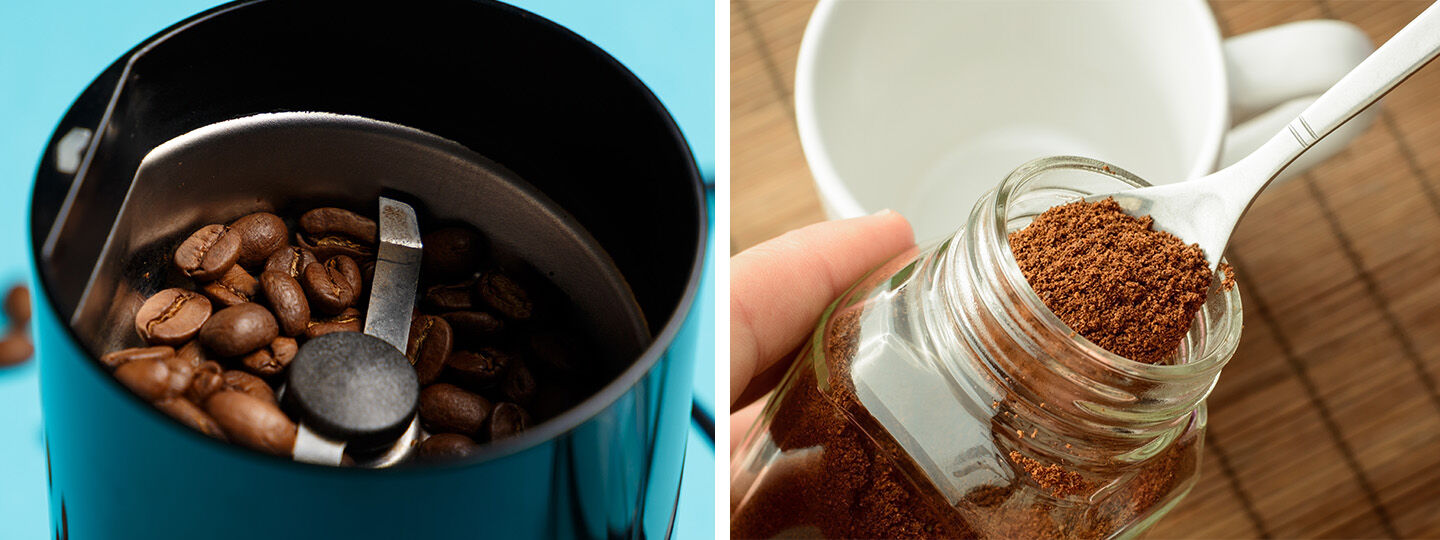
While pre-ground coffee is convenient, whole beans provide the freshest and most flavorful espresso experience. Grinding fresh just before brewing allows for optimal extraction and crema formation.
The Best Espresso Beans Are the Ones You Love
Ultimately, the best espresso beans are the ones that match your taste preferences. Experiment with different beans and roasts to discover the perfect blend for your home espresso experience. Whether you enjoy a bold, classic shot or a smooth, nuanced espresso, choosing high-quality beans ensures a satisfying cup every time.