



Can Normal Coffee be Made in an Espresso Machine?
If you’re new to espresso, it’s natural to wonder: Can I just use my regular coffee grounds in an espresso machine? When we have a new at-home espresso machine, reaching for the regular coffee grounds still feels routine.
The short answer is yes, you could use those regular coffee grounds, but you really shouldn’t. There’s a difference between what’s technically possible and what will give you the best result. There’s also a high likelihood those normal grounds will clog your machine.
What Counts as “Normal Coffee”?
When we say “normal coffee,” we usually refer to coffee beans that are roasted and ground for drip brewing, French press, or pour-over. These brewing methods use gravity and slower water flow, so the beans are often:
- Roasted lighter to medium
- Ground coarser than espresso
- Brewed over longer periods
Espresso, on the other hand, is brewed using high pressure in a short amount of time. This means that your espresso machine needs:
- Medium to dark-roasted beans that can handle concentrated extraction
- A fine grind (almost powdery)
- Proper tamping and resistance to pressure
So, Can You Use Normal Coffee Beans?
Yes, but there are some things you should consider about the cup of Joe you’re creating.
If you’re using whole beans labeled for regular coffee, you can still use them for espresso if you grind them fine enough. The grind size is essential and without it, the water will pass through too quickly and result in weak, under-extracted espresso.
If you’re using pre-ground coffee meant for drip brewing, it’s usually too coarse. Using this in an espresso machine will result in watery, sour shots with little crema. That’s because the water pressure won’t have enough resistance to properly extract the coffee’s oils and flavors.
What Happens When You Use Normal Coffee Grounds in an Espresso Machine?
The end result will be far from an enjoyable cup of coffee.
- Flavor: You’ll likely get a weaker or off-balanced espresso. It might be sour, overly acidic, or flat.
- Crema: That beautiful layer of golden foam might be missing entirely.
- Clogging: If the grounds aren’t consistent or are too fine, they could clog your portafilter. You’ll need to clear out your portafilter before trying again.
How to Get Better Espresso Results
If you’re set on using your regular coffee beans and not ready yet to find dark-roasted espresso beans, here are a few tips:
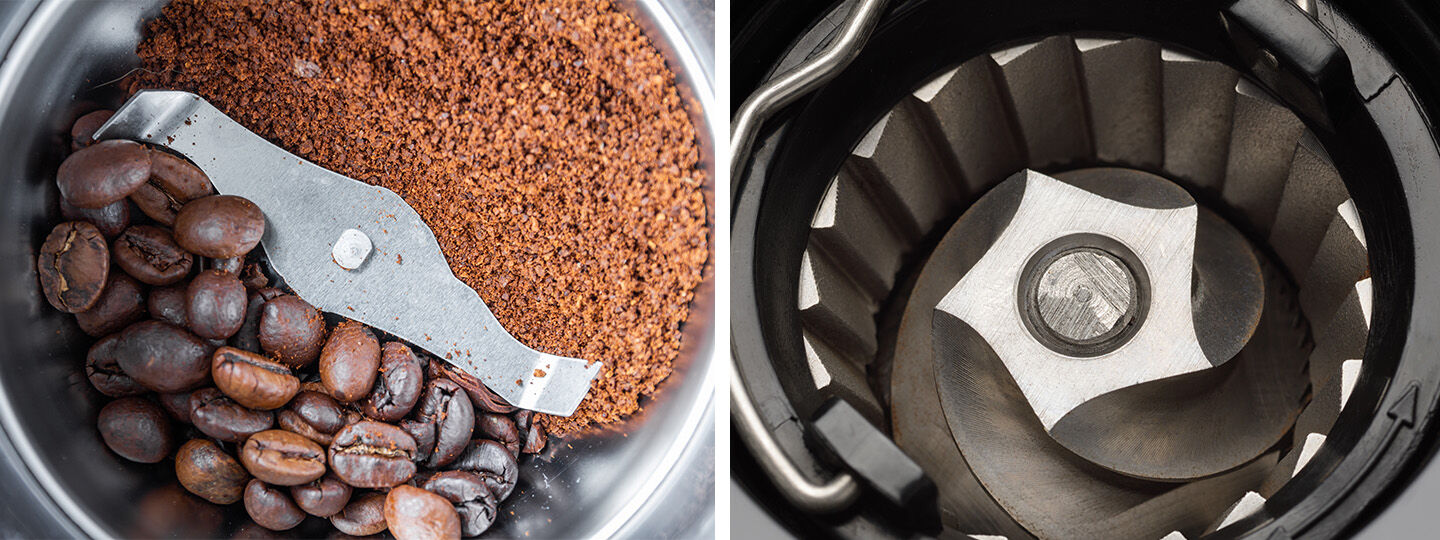
- Grind your own beans using a burr grinder. This lets you control the grind size and ensures it’s fresh and even.
- Adjust your brew time and pressure if your machine allows. This helps fine-tune extraction.
- Experiment with tamping pressure. A firm, even tamp can improve your shot with non-espresso beans.
It’s Worth Using Espresso Beans
While you can use regular coffee, beans labeled for espresso are typically roasted darker, ground finer, and curated to balance acidity, body, and flavor. They’re designed with high-pressure brewing in mind.
You can attempt to create a cup of coffee with normal coffee grounds in an espresso machine, but you’re not likely to enjoy it as much as if you used espresso grounds. For true espresso quality, it’s worth using beans that are ground and roasted specifically for that purpose. For beginners, consider a grind and brew machine or a manual espresso maker with a quality burr grinder. These tools give you more control over grind size and extraction, helping you get closer to that ideal café-style shot at home.