


Espresso vs Coffee: What’s the Difference?
Coffee and espresso are two beloved beverages that share the same foundation – coffee beans!
These drinks differ in preparation, taste, and experience. Whether you’re a casual coffee drinker or a dedicated home espresso enthusiast, understanding these differences can help you choose the best option for your daily routine.
Espresso vs Coffee
The difference between espresso and coffee is like comparing a sprint to a leisurely walk.
- Espresso offers a quick, intense burst of energy, like a sprinter exploding off the starting blocks.
- Coffee is a steady paced journey, allowing you to savor the experience over time, much like a relaxed stroll through a scenic park.
The process behind making a cup of coffee or an espresso shot is actually quite different, requiring attention to your ingredients and your equipment.
Roast Level
While both espresso and coffee beans can come from the same source bean, espresso beans are typically roasted darker. A dark bean roast enhances the espresso shot’s bold, rich flavor and reduces acidity, making this bean type ideal for high-pressure brewing. But be aware, this is a preference! You might enjoy a variety of beans for your coffee and your espresso drinks.
Grind Size
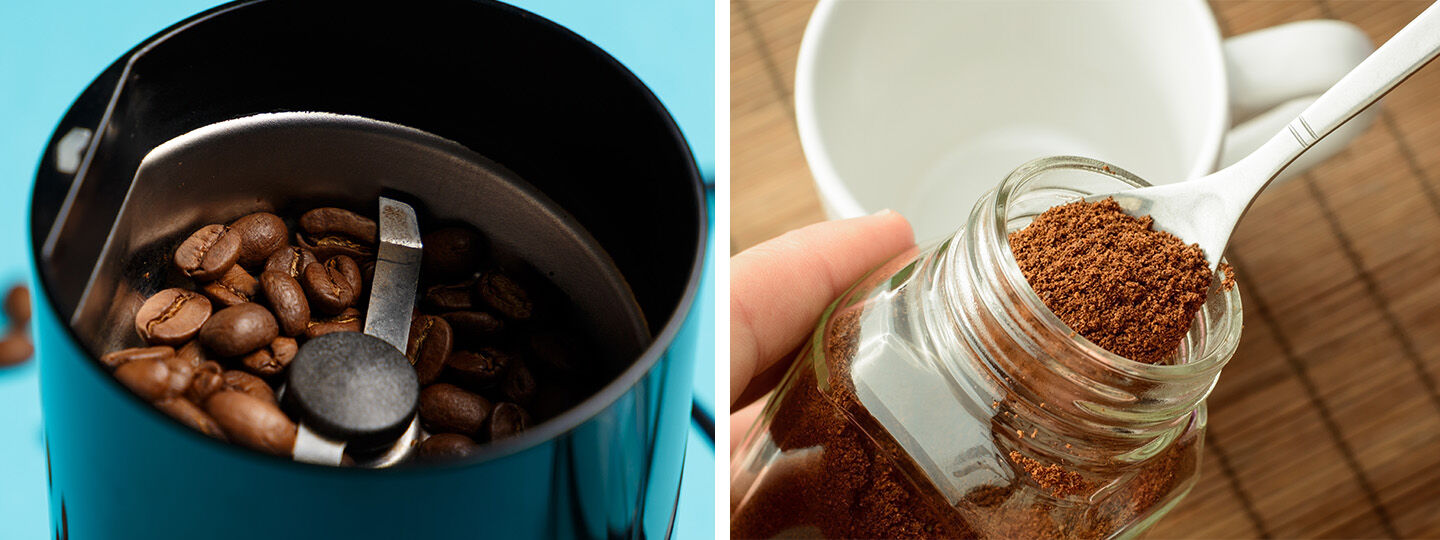
The grind size of your grounds plays a crucial role in brewing. Espresso requires a fine grind to create resistance during extraction. Traditional coffee is instead brewed using a coarser grind, which allows water to flow more freely through the grounds. There are specialty grinders called burr grinders for espresso grounds.
Brewing Method
When you brew espresso, the process is done under high pressure while forcing hot water through finely ground coffee. Espresso brewing takes around 25-30 seconds. This creates a concentrated shot with a layer of crema on top. Drip Coffee and other brewing methods, like French press or pour-over, take several minutes to extract the flavors, resulting in a larger, milder cup of coffee.
Serving Size
Espresso is served in small, concentrated shots, with an output around 1 ounce. Coffee is served in larger portions, typically 8-12 ounces per cup. Espresso lovers often make drinks with espresso shots, increasing the serving size of the drink based on the espresso recipe.
Caffeine Content
A single espresso shot contains about 63 mg of caffeine, but since it’s consumed in a smaller serving, the caffeine concentration is higher. A standard 8-ounce cup of coffee contains around 95 mg of caffeine and is more diluted overall.
Why Choose Espresso Over Coffee?
Espresso is ideal for those who prefer a strong, bold coffee experience. It’s also the base for many popular drinks, such as lattes, macchiatos, and Americanos. If you enjoy quick, concentrated bursts of energy with a rich taste and a creative flair, espresso may be the better choice.
For those who prefer a more mellow, slow-sipping experience, traditional coffee offers a smoother and more relaxed option.
Equipment for Coffee vs Espresso
For café-quality espresso at home, an espresso machine is the best investment. For those who prefer traditional coffee, a drip coffee maker or pour-over setup can provide a flavorful cup without the need for high-pressure brewing.
Whichever you choose, both offer a rich and enjoyable experience!